Knocked-out tooth
Time matters. Pick the tooth up by the crown (never the root), gently rinse it, and if you can, place it back in the socket. If not, keep it in milk or saliva and reach a dentist within the hour.
Use this as a calm reference, not a diagnosis. When in doubt about your safety, always err toward emergency medical help. The guidance below covers the common cases and the simple steps that buy you time.
Go to the ER or call your emergency number now if you have swelling that affects your breathing, swallowing, or vision, uncontrolled bleeding, jaw injury from major trauma, or a high fever with facial swelling.
Most practices reserve emergency appointments and many offer an after-hours line. A dentist can treat the cause, not just the pain.
Time matters. Pick the tooth up by the crown (never the root), gently rinse it, and if you can, place it back in the socket. If not, keep it in milk or saliva and reach a dentist within the hour.
Persistent throbbing, pressure, or a pimple-like bump on the gum points to infection. Rinse with warm salt water and call a dentist promptly — abscesses need proper drainage and treatment.
Save any fragments, rinse your mouth, and use a cold compress for swelling. A dentist can smooth, bond, or crown the tooth before the damage worsens.
Keep the area clean and avoid chewing on that side. A temporary dental cement from a pharmacy can protect it until you're seen — but book the repair, don't wait it out.
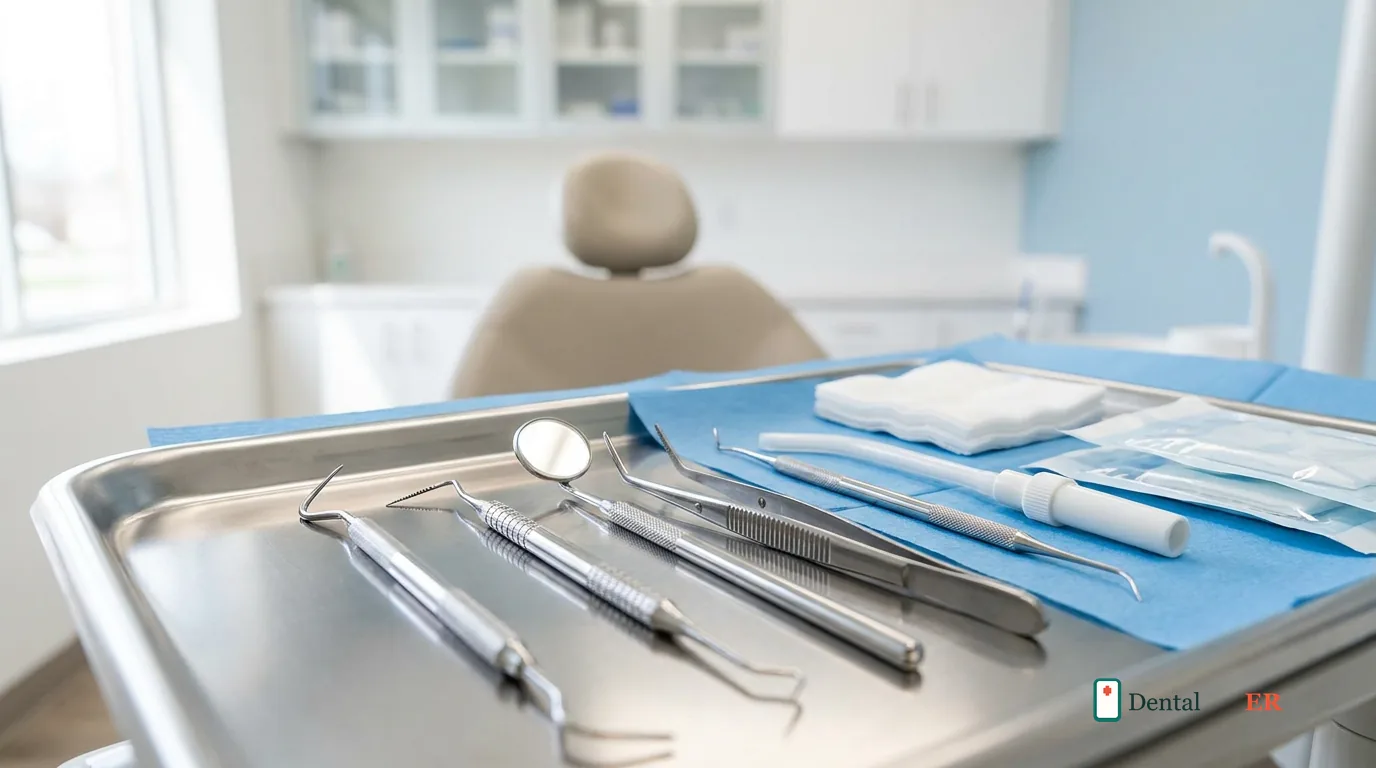
While you arrange care, these calm measures help manage pain and protect the tooth. They are stabilising steps — not a substitute for treatment.
An emergency room can ease severe pain, treat a spreading infection, and rule out danger. What it usually can't do is fix the tooth — no fillings, no root canals, no crowns.
If you do end up at the ER for safety, treat it as step one. Follow up with a dentist quickly so the underlying problem is actually resolved.
The best time to learn where to go is long before the pain starts. Bookmark this page and share it with the people you'd want to know.
Help share the guidance